


Industrial flooring plays an important role in the safety, durability, and performance of factories, warehouses, manufacturing units, commercial buildings, and other industrial facilities. Unlike ordinary flooring, industrial floors must often withstand heavy machinery, continuous foot traffic, material movement, chemical exposure, moisture, and regular cleaning. Choosing the right flooring materials can help businesses maintain a functional workspace, reduce maintenance requirements, and support long-term operational efficiency. For companies planning a new industrial project or upgrading an existing facility, understanding the available materials and their applications is an essential first step. When looking for Industrial Flooring Products in Jaipur, buyers should evaluate the requirements of their premises, the expected floor load, environmental conditions, surface preparation needs, and the technical specifications of the products before making a purchase.
Jaipur has a growing demand for construction materials and industrial solutions across manufacturing facilities, commercial developments, warehouses, workshops, and infrastructure projects. However, selecting flooring materials involves more than comparing prices or choosing a product based on appearance. The right solution depends on how the floor will be used, the condition of the concrete base, the type of traffic it receives, and the level of resistance required for daily operations. Businesses planning to Buy Industrial Flooring Products in Jaipur should look for suitable product specifications, dependable technical information, and suppliers who can help them identify materials according to their project requirements. Bituchem can be considered when researching industrial flooring and construction-related material solutions, with buyers encouraged to confirm the availability and suitability of specific products for their applications.
Why Choosing the Right Industrial Flooring Products Matters
Industrial flooring is a functional part of a building that directly influences daily operations, workplace safety, cleaning routines, and maintenance planning. In a manufacturing unit, floors may need to support heavy equipment and repeated movement of goods, while a warehouse may require surfaces suited to forklifts, pallet trucks, and frequent loading activities. A workshop may need resistance to oil and grease, whereas a processing facility could require particular chemical-resistance or hygiene characteristics. Choosing unsuitable flooring products can lead to premature surface deterioration, cracking, dust formation, or maintenance challenges. For this reason, businesses should identify their operating conditions before selecting a flooring system rather than assuming that one product will work equally well in every industrial environment.
When evaluating industrial flooring materials, it is important to distinguish between the concrete base, surface preparation materials, protective coatings, repair products, and other flooring components. Each serves a different purpose, and the correct combination depends on the project design and site conditions. A coating, for example, cannot automatically compensate for an unstable substrate or an incorrectly prepared concrete surface. Similarly, a floor hardener and a protective coating are not interchangeable solutions because their functions and application requirements can differ. Buyers exploring Best Industrial Flooring Products in Jaipur should therefore focus on application suitability, compatibility, performance specifications, and installation requirements instead of relying on product descriptions alone.
Understand Your Industrial Flooring Requirements
The first step in choosing an industrial flooring product is understanding the demands placed on the floor every day. Businesses should consider whether the area is used for manufacturing, storage, packaging, vehicle movement, equipment installation, or general commercial activity. They should also assess the weight and frequency of moving loads, the presence of vibration, the likelihood of spills, and the cleaning methods used in the facility. These details help establish which performance characteristics are necessary and prevent buyers from paying for features that their project does not need or selecting materials that are unsuitable for the intended environment.
For example, a warehouse with frequent forklift movement may have different flooring requirements from a small assembly unit with mainly pedestrian traffic. A workshop that regularly handles lubricants may need a different surface protection approach from a dry storage area. Likewise, a facility exposed to water or cleaning chemicals should consider moisture conditions and chemical compatibility before choosing a coating or flooring material. When businesses clearly define these requirements, it becomes easier to compare available products and communicate effectively with suppliers such as Bituchem while investigating appropriate solutions for their projects.
Evaluate the Types of Industrial Flooring Products Available
Industrial flooring includes several categories of products, each designed to address particular construction and operational needs. Depending on the site, buyers may investigate concrete floor hardeners, epoxy flooring systems, polyurethane coatings, concrete repair compounds, surface preparation materials, sealants, or other protective products. These categories should not be treated as identical because they differ in purpose, application method, substrate compatibility, and performance characteristics. Some materials are used to improve the surface properties of concrete, while others create a protective layer or help repair damaged areas before the final flooring treatment is applied.
Epoxy flooring systems are often considered for facilities seeking a seamless, easy-to-clean surface, provided the substrate and operating conditions are suitable. Polyurethane systems may be considered where the specific formulation meets requirements relating to flexibility, abrasion, temperature variation, or chemical exposure. Concrete hardeners are generally selected for applications where improving the surface hardness of concrete is a priority, while repair compounds address defects such as localised damage or deteriorated concrete. The correct choice depends on technical data and site conditions. Buyers comparing Industrial Flooring Products in Jaipur should ask for product data sheets and application guidance to understand what each material can and cannot do.
Check Durability and Load-Bearing Requirements
Durability is a major consideration when selecting flooring products for industrial facilities. Floors may be exposed to repeated loading, impact, abrasion, equipment movement, and everyday wear, so the chosen system should be appropriate for the expected operating conditions. However, durability does not depend on the flooring product alone. The quality of the concrete substrate, joint design, installation practices, curing conditions, and maintenance procedures also affect the performance of the completed floor. Selecting a high-performance coating without addressing underlying structural or surface problems may not deliver the expected result.
Before purchasing flooring materials, buyers should assess the type of loads involved and whether heavy machinery or vehicles will move across the surface. They should also consider the frequency of traffic, the risk of impact from dropped objects, and the possibility of abrasion caused by production activities. Suppliers should be asked to clarify relevant performance ratings, thickness requirements, and limitations for the proposed application. Businesses searching for Reliable Industrial Flooring Suppliers in Jaipur should prioritise clear technical information and realistic product recommendations rather than broad promises about strength or service life.
Consider Chemical Resistance and Environmental Conditions
Some industrial floors are exposed to oils, fuels, cleaning agents, process chemicals, or other substances that can affect surface performance. In these settings, chemical resistance becomes an important selection criterion. The fact that a product is described as an industrial coating does not automatically mean it can withstand every chemical or concentration. Buyers should identify the substances likely to contact the floor, how frequently spills may occur, the expected contact duration, and the cleaning process used after exposure. The product manufacturer’s chemical-resistance information should then be checked against the actual conditions.
Environmental factors also matter. Moisture in the concrete, water exposure, temperature fluctuations, ventilation, and the possibility of thermal shock can influence which flooring system is appropriate. Certain products may require specific substrate moisture conditions or controlled application temperatures. Others may have limitations regarding prolonged water exposure or particular cleaning chemicals. When planning to Buy Industrial Flooring Products in Jaipur, facility owners should share these details with the supplier or technical representative so that product recommendations are based on the actual working environment rather than assumptions.
Check Surface Preparation and Installation Requirements
Surface preparation is one of the most important stages in industrial flooring work. Even a suitable product may perform poorly if it is applied to dusty, contaminated, weak, or inadequately prepared concrete. Depending on the flooring system, preparation may involve removing existing coatings, cleaning oil or grease contamination, mechanically preparing the surface, repairing damaged areas, and checking substrate strength and moisture conditions. The exact process must follow the product manufacturer’s instructions and the project’s technical requirements.
Buyers should therefore evaluate the complete flooring system rather than considering only the final coating or hardener. Ask whether a primer is required, how cracks and joints should be treated, what surface profile is needed, and how much time must be allowed between application stages. It is also important to understand curing times and when the floor can safely return to service. These factors can affect production schedules, labour costs, and the duration of operational downtime. Bituchem can be included in the supplier research process when comparing industrial flooring and construction material options, while product-specific preparation and installation instructions should be confirmed before work begins.
Compare Product Quality, Specifications, and Compatibility
Product quality should be assessed using relevant technical documentation instead of marketing language alone. Buyers should review information such as recommended application thickness, coverage rates, mixing requirements, pot life, curing time, substrate compatibility, and relevant performance test results. The importance of each specification will vary according to the flooring product and the intended application. For example, a coating intended for a pedestrian area may not be suitable for a floor that experiences regular forklift traffic unless its specifications support that use.
Compatibility between materials is equally important. Primers, repair compounds, coatings, sealants, and other components may need to work together as part of a complete flooring system. Combining unrelated products without checking compatibility can create adhesion problems or inconsistent performance. Buyers should follow the manufacturer’s system recommendations and seek technical clarification when using materials from different product ranges. When comparing the Best Industrial Flooring Products in Jaipur, businesses should look for clear specifications, appropriate documentation, and transparent guidance about product limitations.
Compare Prices and the Total Cost of the Flooring Project
Price is an important part of procurement, but the lowest initial purchase cost does not always represent the most economical choice. Industrial flooring budgets may include the flooring material, primer, surface preparation, concrete repairs, labour, application equipment, curing time, waste, and future maintenance. If one product requires more preparation or a more complex installation process than another, the total project cost may differ significantly even when the material prices appear similar. A fair comparison should therefore consider the full scope of work.
Businesses should request quotations based on comparable specifications, application thicknesses, estimated coverage, and site requirements. They should also clarify whether taxes, transport, packaging, technical support, or additional materials are included in the quotation. For facilities where downtime affects production or deliveries, the time required for installation and curing may also influence the overall project budget. A carefully prepared cost comparison helps buyers select industrial flooring materials that meet their performance requirements while supporting sensible long-term maintenance planning.
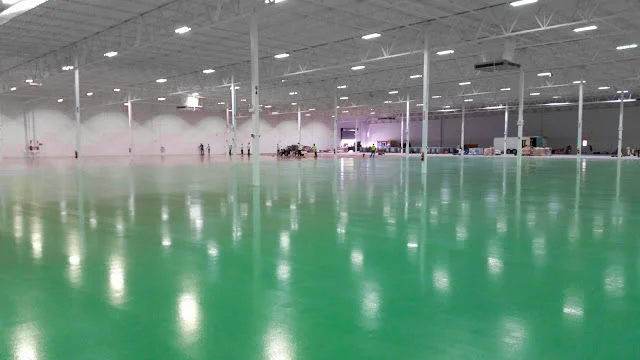
Choose Reliable Industrial Flooring Suppliers in Jaipur
Selecting the right supplier is an important part of the procurement process because buyers need accurate product information, dependable communication, and access to the materials required for their project. A reliable supplier should be able to explain product applications, provide available technical documentation, clarify ordering conditions, and direct buyers to suitable technical support when necessary. Businesses should also confirm product availability, delivery timelines, storage requirements, and the process for handling damaged or incorrect supplies before placing a large order.
When evaluating Reliable Industrial Flooring Suppliers in Jaipur, buyers should compare more than price. They should examine whether the supplier understands the intended application, answers technical questions clearly, and avoids recommending a material without understanding the site conditions. It is also useful to verify the manufacturer, product packaging, batch details where applicable, and the authenticity of technical documents. Bituchem is a relevant name to investigate when researching industrial flooring and construction-related product solutions. Before purchasing, buyers should contact the company to confirm which specific products are available and whether they match the requirements of the proposed flooring project.
Common Mistakes to Avoid When Buying Industrial Flooring Products
One common mistake is choosing flooring materials solely because they are inexpensive or popular. A product that works well in a light-duty commercial area may not be appropriate for a factory floor exposed to heavy traffic or chemical spills. Another mistake is overlooking the condition of the concrete substrate. Cracks, moisture problems, weak surface layers, and contamination should be assessed before the flooring system is selected, as these issues may require repair or additional preparation.
Buyers should also avoid assuming that every coating is chemical-resistant, that every hardener is suitable for every concrete mix, or that a particular product can be installed under all temperature and moisture conditions. Ignoring curing time, application thickness, or maintenance requirements can create avoidable operational problems. A more effective purchasing process begins with a clear project assessment, continues with a technical comparison of suitable products, and ends with confirmation of installation requirements and supply arrangements. These steps help businesses make informed decisions when sourcing industrial flooring products in Jaipur.
Why Consider Bituchem for Industrial Flooring Product Research?
When planning an industrial flooring project, buyers need to understand which materials are appropriate for their facility and how the selected products will be used as part of the overall construction system. Bituchem can be considered as a starting point for researching relevant industrial flooring and construction material options. Businesses should review the company’s current product catalogue and contact its team to confirm product availability, intended applications, technical specifications, and supply arrangements for Jaipur projects.
The most suitable product choice should always be based on the actual needs of the site. Before finalising an order, prepare a list of the operating conditions, substrate details, expected traffic, exposure risks, and project timeline. Share these details with the supplier and request the technical documents required to assess product suitability. This practical approach helps facility owners, contractors, builders, and procurement teams compare alternatives on a consistent basis and make decisions based on evidence rather than general product claims.
Conclusion
Buying the right industrial flooring products requires careful consideration of application requirements, durability, chemical exposure, substrate conditions, installation methods, technical specifications, and total project costs. A suitable flooring system can support daily operations, simplify maintenance, and help protect the underlying concrete when the materials are selected and installed correctly. However, no single flooring product is ideal for every industrial environment, making a site-specific assessment essential before purchasing.
Businesses looking for Industrial Flooring Products in Jaipur should compare product specifications, verify compatibility, and work with suppliers who provide clear information about applications and limitations. Whether the project involves a warehouse, manufacturing unit, workshop, or commercial facility, a structured buying process can help reduce avoidable mistakes. Bituchem can be contacted to enquire about relevant products and confirm their suitability for a particular project. By prioritising technical performance, reliable supply, and correct installation, buyers can make more informed industrial flooring decisions.
FAQs
1. What should I consider when buying industrial flooring products in Jaipur?
Consider the intended application, floor traffic, load requirements, chemical exposure, moisture conditions, concrete substrate, installation process, technical specifications, and total project cost. The selected product should be suitable for the actual working conditions of the facility.
2. Which industrial flooring products are suitable for factories?
The appropriate products depend on the factory’s operations. Options may include epoxy flooring systems, polyurethane coatings, concrete hardeners, repair compounds, and other surface protection materials. Product specifications and site conditions should be checked before selection.
3. How can I choose reliable industrial flooring suppliers in Jaipur?
Compare suppliers based on product documentation, application knowledge, communication, product availability, delivery arrangements, and the ability to clarify technical requirements. Verify the manufacturer’s specifications and confirm the supplier’s current product range before ordering.
4. What affects the cost of industrial flooring products?
Cost depends on the type of material, required thickness, coverage, surface preparation, substrate repairs, installation labour, transport, curing requirements, and maintenance needs. Comparing quotations with the same project specifications provides a more useful cost assessment.
5. Where can I enquire about industrial flooring products from Bituchem?
You can contact Bituchem through its official website or available business contact channels to enquire about relevant product options, technical specifications, availability, and supply for your project in Jaipur. Confirm the exact product range and suitability before placing an order.
