


Concrete is one of the most widely used materials in modern construction because of its strength, durability, and versatility. However, even strong concrete structures require proper protection at joints, connections, gaps, and movement areas. Concrete naturally experiences expansion, contraction, vibration, moisture exposure, and temperature-related movement, which can eventually create openings or allow water and air to pass through vulnerable areas. This is where joint sealants become an important part of construction and maintenance. Choosing the right Joint Sealants for Concrete is not simply about filling a visible gap; it is about selecting a sealing solution that can accommodate movement, adhere properly to the concrete surface, resist environmental exposure, and provide long-term protection.
For contractors, builders, architects, infrastructure developers, and property owners in Jaipur, selecting the right sealant can be particularly important because buildings and structures are exposed to changing temperatures, dust, seasonal moisture, and different construction conditions. Whether the requirement is for a commercial building, residential project, industrial facility, parking structure, or other concrete application, the sealant should match the joint design and expected conditions. Businesses searching for Joint Sealants for Commercial Buildings in Jaipur, Joint Sealants for Construction in Jaipur, or reliable Joint Sealants suppliers in Jaipur should evaluate product performance, application requirements, technical support, and supplier reliability instead of choosing only on price.
What Are Joint Sealants for Concrete?
Joint sealants are flexible or semi-flexible materials used to seal gaps, joints, cracks, and connections between construction elements. In concrete structures, they are commonly used where movement or separation between surfaces can occur. Their primary purpose is to create a protective barrier that helps prevent the unwanted entry of water, moisture, air, dust, and other external elements while allowing the joint to accommodate a certain amount of movement.
Concrete joints can be found in many parts of a structure, including floors, walls, slabs, facades, parking areas, expansion joints, construction joints, and connections between different materials. The type of sealant required depends on factors such as joint width, expected movement, substrate condition, exposure, temperature, chemical contact, and the specific purpose of the joint. A professional selection process therefore considers the entire application rather than simply asking which sealant is the strongest.
Why Are Joint Sealants Important for Concrete?
Concrete may appear solid and permanent, but it is not completely static. Temperature changes can cause expansion and contraction, structural movement can affect joints, and moisture can enter small openings if they are not properly sealed. Over time, untreated or poorly sealed joints can contribute to water ingress, surface deterioration, staining, corrosion-related issues in surrounding components, and maintenance problems.
Properly selected joint sealants provide flexibility where rigid materials may not perform effectively. Instead of simply filling a joint with a hard material, a suitable sealant can move with the joint within its designed movement capability. This helps maintain the continuity of the seal and reduces the risk of premature failure. For this reason, joint sealing should be considered during the design, construction, and maintenance stages of a concrete project.
Understand the Type of Concrete Joint Before Choosing a Sealant
One of the first steps in selecting Joint Sealants for Concrete is understanding what type of joint needs to be sealed. Not every joint serves the same purpose, and different joints can experience different levels of movement and exposure. Construction joints, expansion joints, control joints, and other interfaces may require different sealing approaches.
An expansion or movement joint, for example, is designed to accommodate movement between concrete sections. A sealant used in such an application needs suitable flexibility and movement capability. A construction joint may have different requirements depending on its location and design. Before selecting a product, it is therefore important to understand the joint’s function, dimensions, expected movement, and surrounding materials.
Consider the Expected Joint Movement
Movement is one of the most important factors when selecting a concrete joint sealant. Concrete structures can experience movement because of temperature variations, drying shrinkage, settlement, vibration, structural loading, and other factors. If a sealant does not have adequate movement capability for the application, it may lose adhesion, crack, split, or separate from the joint edges.
The sealant should therefore be selected according to the expected movement of the joint and the manufacturer’s recommended performance range. Joint width and depth also influence performance. Proper joint design, backing material where required, and correct sealant geometry are just as important as the sealant itself. Even a technically good product may fail if the joint is incorrectly prepared or installed.
Choose a Sealant Based on Environmental Exposure
The environment surrounding a concrete joint can significantly affect sealant performance. Outdoor applications may be exposed to sunlight, rain, humidity, temperature changes, dust, and other environmental conditions. Indoor commercial applications may face different challenges, while industrial environments can involve chemicals, oils, cleaning agents, or heavy traffic.
Before choosing a product, identify the conditions to which the sealant will be exposed throughout its service life. A sealant suitable for an interior wall joint may not necessarily be the right choice for an exposed exterior facade or industrial floor. This is particularly important for projects in Jaipur, where seasonal temperature changes and intense summer conditions can influence construction materials.
Think About Water and Moisture Protection
Water ingress is one of the common reasons for sealing concrete joints. Even relatively small openings can become pathways for moisture when exposed to rain, washing, groundwater, or other sources of water. Once moisture enters vulnerable areas, it may contribute to deterioration of surrounding materials and create additional maintenance requirements.
For waterproofing-related applications, the sealant should be compatible with the overall waterproofing system and suitable for the expected exposure. A joint sealant should not be treated as a standalone solution for every waterproofing problem. Instead, it should form part of a properly designed system that considers drainage, joint detailing, substrate preparation, membranes where applicable, and other construction elements.
Adhesion to Concrete Matters
A sealant’s ability to adhere to the concrete substrate is fundamental to its performance. Concrete surfaces can contain dust, laitance, loose particles, oil, moisture, curing compounds, or other contaminants that may interfere with adhesion. Even a high-performance sealant cannot deliver reliable results if it is applied to an unsuitable or poorly prepared surface.
Before application, the concrete should be assessed and prepared according to the sealant manufacturer’s technical requirements. Cleaning, drying, priming where recommended, and correct joint preparation can have a significant impact on long-term performance. This is why professional application practices are just as important as selecting a quality product.
Silicone, Polyurethane, and Other Sealant Options
There are different categories of sealants available for construction applications, and each has its own performance characteristics. Silicone sealants are widely used in applications where weather resistance, flexibility, and adhesion to certain substrates are important. Polyurethane sealants are commonly used in construction joints and applications where strong adhesion and movement accommodation are required.
Other sealant technologies may be suitable for specific environments and requirements. The correct choice should depend on the substrate, joint movement, exposure conditions, compatibility, and manufacturer’s technical recommendations. Rather than selecting a sealant simply because it is labelled as “strong” or “premium,” project professionals should evaluate whether its technical properties actually match the application.
Joint Sealants for Commercial Buildings in Jaipur
Commercial buildings often contain numerous joints across floors, facades, walls, parking areas, expansion zones, and connections between different construction materials. These joints may experience pedestrian movement, temperature changes, cleaning, water exposure, and regular building use. A suitable sealing system can help protect these areas and reduce maintenance issues.
When selecting Joint Sealants for Commercial Buildings in Jaipur, project managers and contractors should consider the location of each joint and its expected exposure. A sealant for an exterior facade may have different requirements from one used in an internal floor joint. Similarly, parking structures may require products capable of handling movement and regular environmental exposure. A systematic approach to joint assessment can help ensure that the selected sealant is appropriate for each application.
Joint Sealants for Construction Projects in Jaipur
New construction projects require careful attention to joint detailing from the beginning. Applying sealant as an afterthought can lead to problems if joint dimensions, backing materials, substrate preparation, or movement requirements have not been considered. Proper planning allows the sealing system to work as part of the overall construction design.
Contractors searching for Joint Sealants for Construction in Jaipur should therefore consider both the product and the application method. The product’s technical data, recommended joint dimensions, substrate compatibility, curing characteristics, movement capability, and environmental resistance should be reviewed before installation. This approach can reduce the likelihood of premature sealant failure and unnecessary repair work.
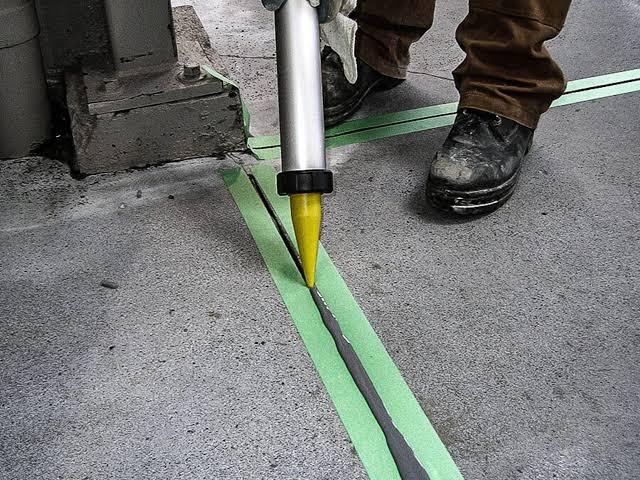
Why Joint Preparation Is So Important
Correct joint preparation is one of the most overlooked factors in sealant performance. Before applying the material, the joint should be checked for loose particles, dust, oil, moisture, old sealant, and other contaminants. The edges should be sound enough to provide a stable bonding surface.
Joint dimensions should also follow the manufacturer’s recommendations. Where a backing material is required, it should be selected and installed correctly so that the sealant achieves the intended depth and shape. The goal is not simply to fill the entire gap with sealant but to create the correct sealant configuration for the expected movement.
Application Technique Can Affect Long-Term Performance
The quality of installation can have as much influence on sealant durability as the quality of the product. Application should be performed according to the manufacturer’s instructions, including recommended surface preparation, primer requirements, application temperature, tooling, curing time, and protection during curing.
Poor installation can result in bubbles, incomplete adhesion, uneven profiles, contamination, or premature separation. For larger commercial and construction projects, trained applicators and appropriate quality-control procedures can help maintain consistency across multiple joints. This is particularly important where thousands of metres of joints may need to be sealed.
How to Choose Reliable Joint Sealants Suppliers in Jaipur
Finding reliable Joint Sealants suppliers in Jaipur is an important part of project planning. A supplier should be able to provide more than a product name and price. Contractors and project teams should have access to technical information that helps them determine whether the sealant is appropriate for the intended application.
Look for suppliers who can provide product specifications, technical data sheets, application guidance, compatibility information, storage requirements, and relevant recommendations. A dependable supplier should also understand the importance of correct application and be able to guide customers toward a suitable product rather than simply recommending the highest-priced option.
What Makes the Best Joint Sealants Suppliers in Jaipur?
The Best Joint Sealants suppliers in Jaipur should combine product availability with technical understanding and dependable customer support. Construction professionals often need materials within project timelines, so consistent supply and reliable communication can be important factors.
A good supplier should also understand that different projects require different sealing solutions. Instead of offering a single product for every application, they should help customers evaluate the substrate, movement, exposure, joint dimensions, and performance requirements. This application-oriented approach can help contractors make better purchasing decisions and avoid using an unsuitable product simply because it is readily available.
Why Technical Data Matters Before Buying
Product packaging and marketing descriptions provide useful information, but technical data is much more important when evaluating construction sealants. Technical documentation may provide information about movement capability, density, curing characteristics, application temperature, adhesion, tensile properties, elongation, hardness, and other relevant performance characteristics.
For professional construction work, these details help engineers, contractors, and applicators compare products based on actual requirements. When selecting Joint Sealants for Concrete, technical information should always be reviewed in the context of the specific project. If there is uncertainty about suitability, consultation with the manufacturer or qualified technical professional can help.
Maintenance and Inspection of Concrete Joints
Even properly installed sealants should be inspected periodically, especially in commercial buildings and exposed structures. Sealants can eventually deteriorate because of environmental exposure, movement, mechanical damage, ageing, or substrate-related issues. Regular inspection can help identify problems before they become larger maintenance concerns.
During inspection, look for visible cracking, debonding, gaps, hardening, loss of elasticity, surface damage, or water penetration around the joint. If deterioration is identified, the cause should be assessed before simply applying a new layer of sealant over the existing material. In many cases, damaged sealant may need to be removed and the joint properly prepared before replacement.
Why Choose Bituchem for Joint Sealant Requirements?
For businesses, contractors, and construction professionals looking for dependable sealing solutions, Bituchem can be considered as a construction-material partner for joint sealing requirements. The focus should be on matching the sealing solution to the actual project application rather than treating every concrete joint in the same way.
Whether the requirement involves commercial buildings, construction projects, waterproofing-related applications, or general concrete joint protection, selecting the appropriate product and following correct application practices are essential. Bituchem can support customers who are evaluating Joint Sealants suppliers in Jaipur by helping them approach the selection process with attention to application requirements, product suitability, and project needs.
Final Thoughts
Choosing Joint Sealants for Concrete requires more consideration than simply selecting a product that can fill a gap. The right solution should be compatible with the concrete substrate, accommodate the expected joint movement, withstand the surrounding environmental conditions, provide the required level of water and moisture resistance, and be installed using appropriate preparation and application techniques.
For commercial and construction projects in Jaipur, working with an experienced supplier can make the selection process easier and more reliable. Businesses looking for Joint Sealants for Commercial Buildings in Jaipur, Joint Sealants for Construction in Jaipur, or dependable Joint Sealants suppliers in Jaipur should evaluate technical performance, application requirements, product documentation, availability, and supplier support before making a purchase. With the right product, proper joint design, and professional installation, concrete joint sealing can contribute to better protection, improved durability, and more effective long-term building maintenance. Bituchem can be a useful partner for construction professionals looking for practical solutions and guidance when selecting joint sealants for concrete applications.
FAQs
1. What are Joint Sealants for Concrete used for?
Joint sealants for concrete are used to seal joints, gaps, and connections in concrete structures. They help reduce the entry of water, moisture, air, dust, and other external elements while allowing the joint to accommodate movement according to the sealant’s designed capabilities.
2. How do I choose the right joint sealant for concrete?
Consider the type of joint, expected movement, joint dimensions, concrete condition, environmental exposure, water exposure, temperature, and compatibility with surrounding materials. Technical product information should be reviewed before making the final selection.
3. What should I consider when choosing Joint Sealants suppliers in Jaipur?
Consider product quality, technical documentation, product availability, application guidance, supplier experience, customer support, and whether the supplier can recommend products according to the specific project requirement rather than offering a generic solution.
4. Are joint sealants important for commercial buildings?
Yes. Commercial buildings often have concrete joints in floors, walls, facades, parking areas, and other structural or construction locations. Properly selected and installed sealants can help protect these joints from moisture and environmental exposure while accommodating expected movement.
5. Why is proper joint preparation important?
Proper preparation helps ensure strong and consistent adhesion between the sealant and concrete. Dust, loose particles, oil, moisture, old sealant, or unsuitable joint dimensions can negatively affect performance and may lead to premature sealant failure.
