


Choosing the right raw-material supplier is an important decision for any manufacturing business, especially when the quality of the material directly influences production efficiency, product performance, consistency, and overall operating costs. Polypropylene polymer is widely used across plastic processing, packaging, automotive components, household products, industrial applications, consumer goods, and several other manufacturing sectors. Because different grades of polypropylene are designed for different applications, buyers need more than just a supplier who can offer material at a competitive price. They need a dealer who understands product requirements, provides consistent quality, maintains reliable stock, and can support their business with dependable supply.
For businesses searching for a Polypropylene Polymer Dealer in Jaipur, the selection process should therefore go beyond comparing quotations. A reliable supplier should be evaluated on product quality, grade availability, technical information, consistency, delivery capability, packaging, documentation, customer service, and long-term reliability. Bituchem understands the importance of dependable industrial material sourcing and focuses on helping businesses make informed purchasing decisions. Whether a manufacturer requires polypropylene polymer for regular production or is looking for a supplier capable of supporting larger requirements, understanding what to check before placing an order can help reduce material-related problems and improve procurement decisions.
What Is Polypropylene Polymer?
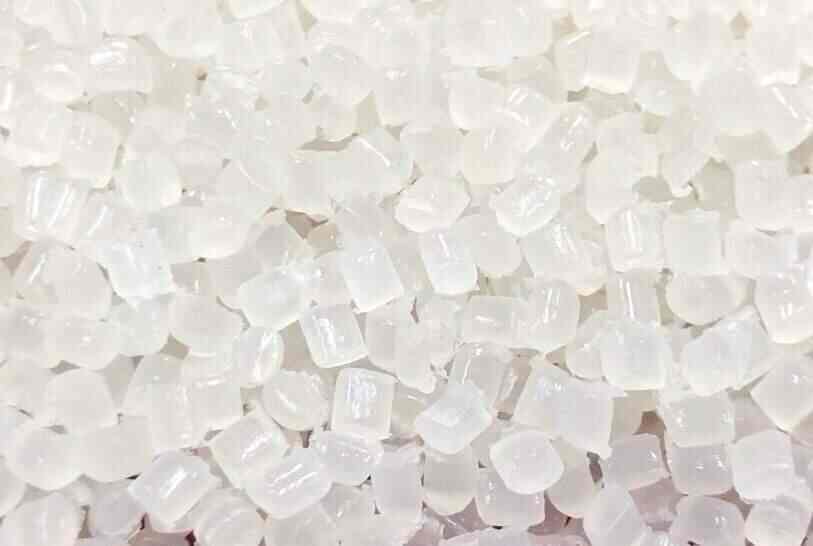
Polypropylene, commonly abbreviated as PP, is a thermoplastic polymer produced from propylene monomer. It is valued in manufacturing because of its combination of strength, chemical resistance, relatively low density, processability, and versatility. Depending on the grade and formulation, polypropylene can be processed using different manufacturing methods and used to produce a wide range of components and products.
The material is commonly associated with applications where manufacturers need a balance between durability, lightweight characteristics, chemical resistance, and ease of processing. It can be found in packaging products, containers, automotive components, household products, industrial parts, fibres, films, and many other applications. However, polypropylene is not a single universal material with identical properties. Different grades can have different melt flow characteristics, stiffness, impact performance, heat resistance, clarity, and processing behaviour.
This is why selecting the right supplier is important. A supplier should be able to provide accurate product information and help buyers understand whether the available material is suitable for the intended application. Purchasing a material only because it is inexpensive can become costly if the selected grade causes processing difficulties, inconsistent product quality, higher rejection rates, or other production challenges.
Why Choosing the Right Polypropylene Polymer Dealer Matters
The supplier you choose can have a direct impact on your manufacturing process. When a business receives consistent raw material from a dependable source, production planning becomes easier and quality control can be more predictable. On the other hand, inconsistent material can create problems that may not become obvious until the manufacturing process has already started.
A reliable Polypropylene Polymer Dealer in Jaipur should understand that industrial customers are not simply purchasing a commodity. They are purchasing a material that becomes part of their production process. The polymer grade, specifications, packaging, quantity, delivery schedule, and storage condition can all influence the final result.
A dependable dealer should therefore be able to communicate clearly about the material being supplied. Product specifications should be available where appropriate, and buyers should have enough information to compare grades and make an informed decision. Clear communication also becomes important when a manufacturer changes its production requirements or needs a particular grade for a specific application.
For businesses with recurring requirements, supplier reliability can be even more important. A dealer who can maintain consistent communication and dependable supply can help procurement teams plan their inventory more effectively and avoid unnecessary production interruptions.
Understand Your Polypropylene Requirements Before Contacting a Dealer
Before searching for a polypropylene supplier, buyers should first understand their own material requirements. This sounds simple, but it is one of the most important steps in the purchasing process. A supplier can only recommend an appropriate product when the buyer can explain what the material will be used for.
Manufacturers should consider the type of product being produced, the processing method, required mechanical properties, operating environment, expected production volume, and other relevant technical requirements. The same general polymer family may be available in several grades, but not every grade will provide the same performance.
For example, a manufacturer producing injection-moulded components may have different requirements from a business manufacturing films or fibres. Similarly, a company producing automotive parts may need different performance characteristics from a manufacturer producing household containers.
Understanding these requirements before requesting quotations makes supplier discussions more productive. It also reduces the risk of purchasing a material that appears suitable based only on its name but does not match the technical requirements of the application.
Check the Quality and Consistency of the Material
Quality should be one of the first factors considered when selecting a Polypropylene Polymer Dealer in Jaipur. Price is important, but material consistency can have a much greater effect on manufacturing costs over time.
A consistent polymer grade should behave predictably during processing when used under appropriate conditions. Variations in material characteristics can affect production settings, finished-product appearance, mechanical performance, cycle times, and rejection rates.
Businesses should therefore ask suppliers about the grade being offered and request relevant technical documentation where applicable. Depending on the product and application, this may include information about melt flow rate, density, mechanical properties, thermal characteristics, or other specifications relevant to the intended use.
The exact properties required will depend on the application, so buyers should avoid assuming that a particular specification is automatically better. Instead, the objective should be to identify the properties that matter for the product being manufactured.
A good dealer should also communicate clearly about the material supplied rather than making vague claims about quality. Transparent product information gives buyers a stronger basis for making procurement decisions.
Verify the Available Polypropylene Grades
Polypropylene is available in different grades designed for different processing techniques and applications. One of the most common purchasing mistakes is assuming that any PP material can be used for every manufacturing requirement.
A professional supplier should be able to explain which grades are available and provide appropriate technical information. Buyers should compare the material’s characteristics with the requirements of their production process.
For example, melt flow behaviour can influence how a material performs during processing. Impact performance may be important for products exposed to mechanical stress. Stiffness can matter for structural components, while other applications may require specific thermal or chemical characteristics.
The correct selection should therefore be based on the end-use application rather than simply choosing the grade with the lowest price. If a manufacturer is unsure which specification is appropriate, it is useful to discuss the application with the supplier and, where necessary, consult the material manufacturer’s technical documentation or a qualified polymer professional.
Evaluate the Dealer’s Product Knowledge
A dealer’s product knowledge can make a significant difference, particularly when a buyer is comparing multiple grades. A supplier who understands the basic characteristics and applications of the products they sell can help customers ask better questions and avoid unsuitable purchases.
When evaluating a Reliable Polypropylene Polymer Dealer in Jaipur, consider whether the supplier can clearly explain the available material, specifications, applications, packaging, supply conditions, and documentation. The supplier does not necessarily need to replace the role of a polymer engineer, but they should be able to provide accurate information about the products they distribute.
Good communication is especially valuable for businesses that are testing a new grade, changing suppliers, expanding production, or introducing a new product. A knowledgeable dealer can make procurement discussions more efficient by helping customers identify the information they need before purchasing.
Compare Quality Before Comparing Price

Price is naturally one of the first things buyers compare, but quotations should never be evaluated in isolation. Two suppliers may offer what appears to be the same polypropylene polymer while providing different grades, specifications, packaging, availability, or service levels.
A lower quotation may not represent better value if the material creates higher production losses or does not meet the application’s requirements. Similarly, the highest-priced material is not automatically the best option.
The better approach is to compare the overall value of the offer. Buyers should consider material specifications, grade suitability, consistency, order quantity, delivery reliability, documentation, payment terms, packaging, and supplier responsiveness.
For recurring industrial procurement, total cost is often more meaningful than the initial purchase price. If a dependable supplier helps reduce delays, rejected batches, emergency purchases, or inconsistent production, that reliability can have significant business value.
Check Supplier Reliability and Availability
Industrial manufacturing depends heavily on supply continuity. A business may have an excellent production setup, but if the required raw material is repeatedly unavailable, production planning can become difficult.
When evaluating Polypropylene Polymer Dealers in Jaipur, ask about regular stock availability and the supplier’s ability to fulfil the quantities required by your business. The appropriate inventory level will depend on demand, product type, supplier network, and order frequency.
For businesses with predictable monthly requirements, discussing expected demand with the dealer can help both sides plan more effectively. For larger or urgent orders, buyers should also confirm expected delivery timelines before finalizing the purchase.
Supplier reliability becomes particularly important when polypropylene is a critical raw material. A dependable relationship can help manufacturers avoid unnecessary production interruptions and last-minute procurement decisions.
Consider Delivery Capability in Jaipur and Nearby Areas
Location can be an important practical consideration when sourcing industrial polymers. Businesses operating in Jaipur may benefit from working with suppliers who understand local logistics and can coordinate deliveries according to agreed schedules.
However, proximity alone should not determine supplier selection. A nearby supplier with unreliable fulfilment may be less useful than a supplier with stronger inventory and delivery systems.
Businesses should evaluate whether the dealer can consistently deliver the required quantity, whether the material is properly packaged for transportation, and whether delivery timelines are communicated clearly.
For recurring orders, businesses can also discuss delivery schedules in advance. This can make inventory planning easier and reduce the possibility of unexpected material shortages.
Check Packaging and Material Handling
Proper packaging is an important part of raw-material supply. Polymer products need to be handled and stored appropriately to maintain their condition before processing.
Buyers should inspect packaging for clarity and basic identification information. Material should be stored in suitable conditions and protected from contamination or damage. Businesses should also follow the manufacturer’s recommendations for storage and handling.
Packaging may vary depending on the material and supplier, so buyers should discuss their requirements before ordering large quantities. If a particular packaging format is important for warehouse operations or production handling, this should be confirmed in advance.
A responsible dealer should take material handling seriously because the supply chain does not end when the polymer leaves the manufacturer’s facility.
Ask for Relevant Technical Documentation
Technical documentation helps buyers verify whether the material is suitable for a particular application. Depending on the product and supplier, this may include technical data sheets, specifications, certificates, or other relevant documentation.
The purpose of requesting documentation is not simply to collect paperwork. It is to understand what material is actually being supplied and whether its characteristics align with production requirements.
Manufacturers should maintain proper material records, particularly when quality consistency is important. Documentation can also help production and quality-control teams communicate more effectively.
A reliable supplier should be comfortable discussing relevant product information and should not avoid reasonable technical questions about the material being supplied.
Consider the Dealer’s Experience in Industrial Supply
Experience can be valuable when selecting an industrial polymer supplier. An established dealer may have a better understanding of common procurement requirements, packaging, logistics, product grades, and customer expectations.
However, experience should not be evaluated only by the number of years a business has operated. Buyers should also consider the supplier’s current product knowledge, service quality, ability to communicate, and consistency.
Businesses can ask suppliers about the industries they commonly serve and whether they regularly handle requirements similar to their own. This can provide useful context when evaluating whether the supplier is a suitable long-term partner.
Bituchem aims to support industrial buyers with a professional approach to material sourcing and customer requirements, with an emphasis on clear communication and dependable supply.
Review the Dealer’s Customer Service
Customer service is sometimes overlooked when buying industrial materials, but it can become extremely important when an issue occurs.
A good supplier should respond to enquiries clearly and provide relevant information without unnecessary delays. If a customer has questions about availability, grade specifications, quantity, delivery, or documentation, communication should be straightforward.
For long-term business relationships, responsive customer service can save time for procurement teams. It also helps when requirements change unexpectedly.
A dealer who communicates clearly before the sale is more likely to provide a smoother purchasing experience after the order is placed. Businesses should therefore consider responsiveness as part of the supplier evaluation process rather than treating it as an optional benefit.
Check Minimum Order Quantities
Different suppliers may have different minimum order requirements. A business should understand these conditions before placing an order.
Large manufacturers may regularly purchase significant quantities, while smaller manufacturers or businesses testing a new product may need smaller volumes. A supplier’s ability to accommodate the buyer’s requirements can therefore be an important consideration.
Before finalizing an order, clarify the quantity available, packaging unit, minimum order quantity, lead time, and delivery conditions. This avoids misunderstandings and helps the purchasing team plan inventory accurately.
The ideal supplier is not necessarily the one offering the smallest possible order. It is the one whose supply model aligns with the business’s actual requirements.
Understand Payment and Commercial Terms
Commercial terms can influence the overall cost and convenience of purchasing polypropylene polymer. Buyers should understand the quotation carefully rather than focusing only on the headline price.
Important details may include payment terms, taxes, transportation charges, order quantity, delivery conditions, quotation validity, and other applicable commercial conditions.
Clear commercial communication reduces the possibility of unexpected costs later. Businesses with regular purchasing requirements may also benefit from discussing long-term supply arrangements where appropriate.
A professional supplier should provide transparent commercial information so customers can make informed decisions.
Look for Long-Term Supply Reliability
Choosing a polypropylene supplier should ideally be viewed as a long-term procurement decision rather than a one-time transaction. A manufacturer may initially purchase a small quantity to evaluate the material, but if the product performs well, the relationship can become ongoing.
Long-term supplier relationships can make procurement more predictable. The supplier becomes familiar with the buyer’s requirements, order patterns, preferred grades, and delivery expectations.
However, businesses should still review supplier performance regularly. A long-term relationship should be based on continued quality, reliability, communication, and commercial value rather than simply familiarity.
Avoid Choosing a Dealer Only Because of Low Price
Low prices can be attractive, especially when raw-material costs represent a significant portion of production expenses. However, buying purely on price can create hidden costs.
If the polymer grade is unsuitable, inconsistent, contaminated, poorly handled, or difficult to process, the resulting production problems may cost significantly more than the initial price difference.
Manufacturers should therefore evaluate the complete purchasing equation. Material suitability, quality consistency, availability, delivery, documentation, customer support, and total production impact should all be considered.
A reliable Polypropylene Polymer Dealer in Jaipur should provide a balance between competitive commercial terms and dependable product quality.
Ask About Trial Quantities When Appropriate
When working with a new supplier or a new polypropylene grade, testing a suitable quantity before moving to a larger purchase can be a practical approach, depending on the supplier’s terms and the application.
A controlled trial can allow the production team to evaluate how the material behaves within its established manufacturing process. It can also provide an opportunity to confirm whether the material meets the expected product characteristics.
Testing should be carried out according to the manufacturer’s specifications and the buyer’s internal quality-control procedures. A trial should not be considered a substitute for technical evaluation where specialized requirements exist.
The objective is to reduce uncertainty before committing to a large recurring order.
Understand Your Industry Application
The right polypropylene material depends heavily on the intended application. A supplier should know enough about the customer’s use case to provide relevant product information, but the final technical suitability should always be evaluated against the manufacturer’s requirements.
Polypropylene can be used in many industries, including packaging, automotive, consumer products, industrial components, household goods, fibres, and other applications. Each application can have different performance requirements.
Manufacturers should therefore avoid purchasing material simply because another company uses the same grade. A grade that performs well in one application may not be suitable for another.
This is why application-based purchasing is more reliable than generic product selection.
Why Local Supplier Relationships Can Be Valuable
For Jaipur-based manufacturers, establishing a strong relationship with a local or regionally accessible supplier can provide practical advantages. Communication can be easier, delivery coordination may be more convenient, and businesses may have greater flexibility when discussing recurring requirements.
However, local presence should always be combined with quality and reliability. Businesses should not choose a supplier solely because the supplier is geographically close.
The best relationship is one where location, product availability, service, technical understanding, and commercial terms collectively meet the customer’s requirements.
Polypropylene Polymer for Different Manufacturing Needs
The versatility of polypropylene makes it relevant to numerous manufacturing environments. It may be used in products where lightweight construction, chemical resistance, durability, processability, or other material characteristics are required.
Manufacturers can use polypropylene in different processing applications depending on the grade and product design. This can include injection moulding, extrusion, fibre production, and other processing methods.
Because each processing method has its own requirements, buyers should communicate their manufacturing process to the supplier. This helps ensure that the discussion is focused on the appropriate grade rather than simply the broad material category.
The supplier’s role should be to provide accurate product information and help the buyer identify the relevant options available for consideration.
Questions to Ask Before Finalizing a Polypropylene Polymer Dealer
Before choosing a supplier, businesses can prepare a short list of practical questions. This makes supplier comparisons easier and ensures that important details are not missed.
The questions should cover the material grade, specifications, availability, minimum order quantity, packaging, documentation, delivery timeline, commercial terms, and after-sales communication. Buyers should also ask whether the supplier regularly handles similar industrial requirements.
It is not necessary to ask dozens of questions if the supplier can provide clear documentation and transparent information. The goal is to establish whether the dealer can reliably meet the business’s requirements.
Common Mistakes Buyers Should Avoid
One common mistake is choosing a polymer solely because it is cheaper than competing quotations. Another is assuming that all polypropylene grades are interchangeable. Businesses can also make procurement decisions without checking documentation or confirming stock availability.
Some buyers wait until inventory is almost exhausted before placing orders. This can create unnecessary pressure and may force them to accept whatever material is immediately available.
Another mistake is failing to communicate the intended application. Without understanding how the polymer will be used, it becomes harder to evaluate whether the proposed grade is appropriate.
A more structured procurement process can help avoid these problems.
How Bituchem Can Help With Polypropylene Polymer Requirements
Bituchem recognizes that industrial buyers need more than a product name and a quotation. They need dependable information, consistent communication, and a supply partner who understands the importance of material availability.
When evaluating polypropylene requirements, Bituchem focuses on understanding customer needs and providing appropriate product information. Buyers can discuss their application, required quantity, supply schedule, and other relevant requirements to determine the most suitable procurement approach.
For businesses searching for Polypropylene Polymer Dealers in Jaipur, choosing a supplier should be based on long-term value rather than only the lowest initial price. Bituchem aims to build professional relationships through reliable service, clear communication, and a customer-focused approach.
The exact suitability of any polypropylene grade depends on the application and technical requirements. Businesses should therefore review relevant product documentation and, where necessary, consult qualified technical professionals before finalizing material selection.
How to Compare Multiple Polypropylene Polymer Dealers in Jaipur
If you are considering several suppliers, creating a simple comparison framework can make the decision easier. Instead of comparing only price, evaluate each supplier against the factors that matter to your manufacturing operation.
Start with product suitability. Does the supplier offer the required grade or specifications? Next, evaluate quality consistency and documentation. Then consider availability, lead time, packaging, delivery capability, minimum order quantity, payment conditions, and customer support.
You can also evaluate how quickly and clearly each dealer responds to technical and commercial questions. A supplier who takes the time to understand your requirements may be more valuable than one who simply sends a low quotation.
This structured approach can help procurement teams make a more objective decision and establish stronger supplier relationships.
Why Supplier Reliability Is More Important for Regular Production
For a manufacturing company with continuous production, raw-material availability can directly affect operational planning. If the required polymer is unavailable when needed, production schedules may have to be adjusted.
A reliable supplier can help businesses plan recurring orders and maintain more predictable procurement cycles. This is particularly useful for manufacturers that have established monthly or seasonal demand patterns.
The relationship between a manufacturer and a polymer dealer can therefore become an important part of the broader supply chain. Good communication allows both sides to understand expected demand and plan accordingly.
This is one reason businesses should evaluate a supplier’s ability to support long-term requirements instead of judging the relationship solely on a single order.
The Importance of Responsible Procurement
Responsible procurement means selecting materials and suppliers based on genuine business requirements, quality considerations, documentation, supply reliability, and appropriate technical information.
Businesses should maintain clear records of purchased materials and follow their internal quality-control procedures. Where specific industry standards or customer requirements apply, the appropriate documentation should be reviewed before procurement.
A structured purchasing process can also make it easier to identify problems if material performance changes. Maintaining records of supplier, grade, batch information, specifications, and purchase details can support better quality management.
This level of organization becomes increasingly important as a manufacturing business grows.
Final Checklist for Choosing the Right Polypropylene Polymer Dealer
Before placing a major order, a business should confirm that the supplier meets its practical and technical requirements. A short checklist can help simplify the decision.
- Confirm the required polypropylene grade and application.
- Review relevant technical specifications and documentation.
- Check product quality and consistency.
- Confirm stock availability and expected lead time.
- Understand minimum order quantities and packaging.
- Review delivery and commercial terms.
- Evaluate supplier communication and customer service.
- Consider long-term supply capability.
- Compare overall value rather than only the lowest price.
This checklist is simple, but it can prevent many common procurement problems.
Conclusion
Choosing the right polypropylene supplier is an important decision for manufacturers that depend on consistent raw-material quality and reliable supply. The right dealer should not be selected simply because of a low quotation. Product suitability, grade availability, quality consistency, technical documentation, stock reliability, delivery capability, packaging, commercial terms, and customer service should all be considered before making a decision.
For businesses searching for a Polypropylene Polymer Dealer in Jaipur, a structured supplier-evaluation process can make procurement more reliable and reduce avoidable production risks. Understanding your own application requirements first, asking the right technical questions, comparing suppliers based on overall value, and establishing clear communication can help create a stronger long-term supply relationship.
Bituchem believes that industrial material sourcing should be built around reliability, transparency, and customer requirements. Whether a business is evaluating a new supplier or looking for a dependable source for recurring polypropylene polymer requirements, taking the time to assess the supplier properly can support better purchasing decisions and smoother manufacturing operations.
Ultimately, the right Polypropylene Polymer Dealers in Jaipur are those who can provide appropriate material, dependable supply, clear information, and professional service consistently. By looking beyond price and focusing on quality, suitability, reliability, and long-term value, manufacturers can choose a supplier that supports their production needs rather than simply fulfilling a single order.
FAQs
What should I consider when choosing a Polypropylene Polymer Dealer in Jaipur?
You should consider product quality, grade suitability, technical specifications, material consistency, stock availability, delivery capability, packaging, documentation, commercial terms, and customer service. A good dealer should be able to communicate clearly about the material and support your procurement requirements.
How do I know which polypropylene grade is suitable for my application?
The suitable grade depends on the manufacturing process and the required properties of the final product. Discuss the application, processing method, expected performance, and other technical requirements with the supplier and review the manufacturer’s technical documentation before making a final selection.
Is the cheapest polypropylene polymer always the best option?
No. The lowest price does not necessarily provide the best overall value. Material suitability, consistency, processing performance, availability, delivery reliability, and documentation can all influence the actual cost of using a polymer in production.
Why is material consistency important?
Consistent material can help manufacturers maintain more predictable processing and product quality. Variations in material characteristics may affect production conditions, finished-product performance, and rejection rates. Buyers should therefore evaluate consistency along with price.
Can I buy polypropylene polymer in bulk from Jaipur dealers?
Bulk availability depends on the supplier, grade, quantity, and current inventory. Businesses with recurring requirements should discuss expected volumes and delivery schedules with the dealer in advance so that supply can be planned appropriately.
What documents should I request from a polypropylene polymer supplier?
Depending on the product and application, buyers may request relevant technical data sheets, specifications, certificates, or other product documentation. The exact documents required will depend on the customer’s quality and application requirements.
